Exploring the megalithic origins of Europe
The emergence of monumentality is one of the most important developments in human history and has been the object of much debate for almost 300 years. The outstanding site of Göbekli Tepe (Turkey) revealed a clear connection between the emergence of early stone monumentality, the appearance of new symbolic expressions, and changes in lifeways at the transition to farming.
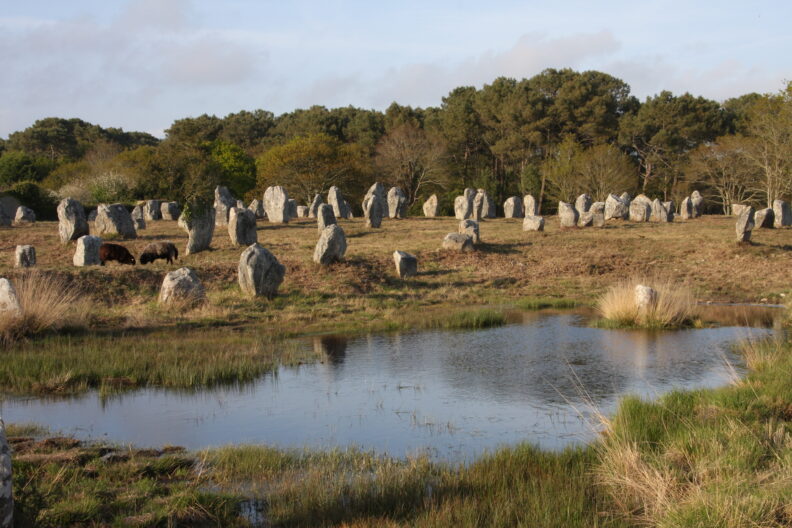
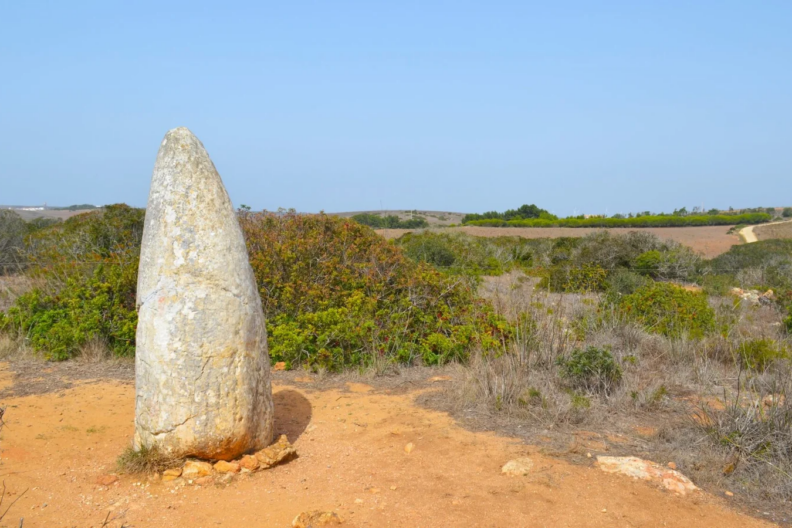
In Western Europe, the earliest centres of megalithic monumentality (as determined by radiocarbon dating) are northwest France, 47th century BC, soon after the Neolithic transition (49th century BC), possibly following a Mesolithic tradition and Corsica, 46th century BC, long after their agricultural transition (57th century BC). In southwest Iberia the Neolithic transition unfolded around the 55th century BC, with potentially very early standing stones, but these are not yet securely dated.
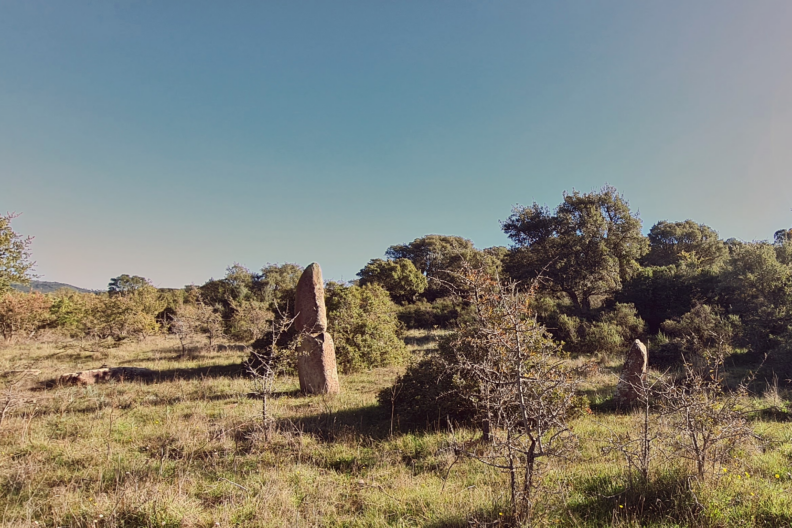
Knowledge of the use of megalithic tombs has improved considerably by radiocarbon dating of human remains. Yet, reliable dating of the construction and transformation of megalithic monuments is notoriously difficult because of an absence of testing samples securely related to the construction processes. This is especially problematic for standing stones, considered to be among the oldest monuments in Europe. Consequently, the connection of the earliest monumentality to an agricultural transition remains an outstanding research problem.

Resolving this is critical to determine why and in which conditions monumentality arose for the first time in Europe and whether it arose independently in each region. This project will apply state-of-the-art optically stimulated luminescence techniques (OSL), coupled with micromorphological analysis, to date sediment depositional processes that are directly associated with construction of the monument. The accuracy of OSL will be sufficient to test the working hypothesis, with further refinement with Bayesian statistical modelling for each site.